Community Engagement Project (CEP) | Bachat Gat Health Awareness Campaign

Swasthya Samriddhi

Community Engagement Project | Bachat Gat Health Awareness Campaign

Team
Aarya Bhumkar, Divya Bilapate, Vishakha Balsane, Sakshi Chaudhari
Department
Computer Science Engineering (Second Year)
Purpose
To help Bachat Gat women recognise chronic illness early and adopt simple, affordable daily habits.

Swasthya Samriddhi

Healthy village, prosperous family

Long-term illnesses like diabetes and high blood pressure grow quietly. Learn the warning signs, eat a balanced plate, and know exactly whom to call — all in your own language.

4
Chronic conditions covered
12
Villages reached
340+
Women screened
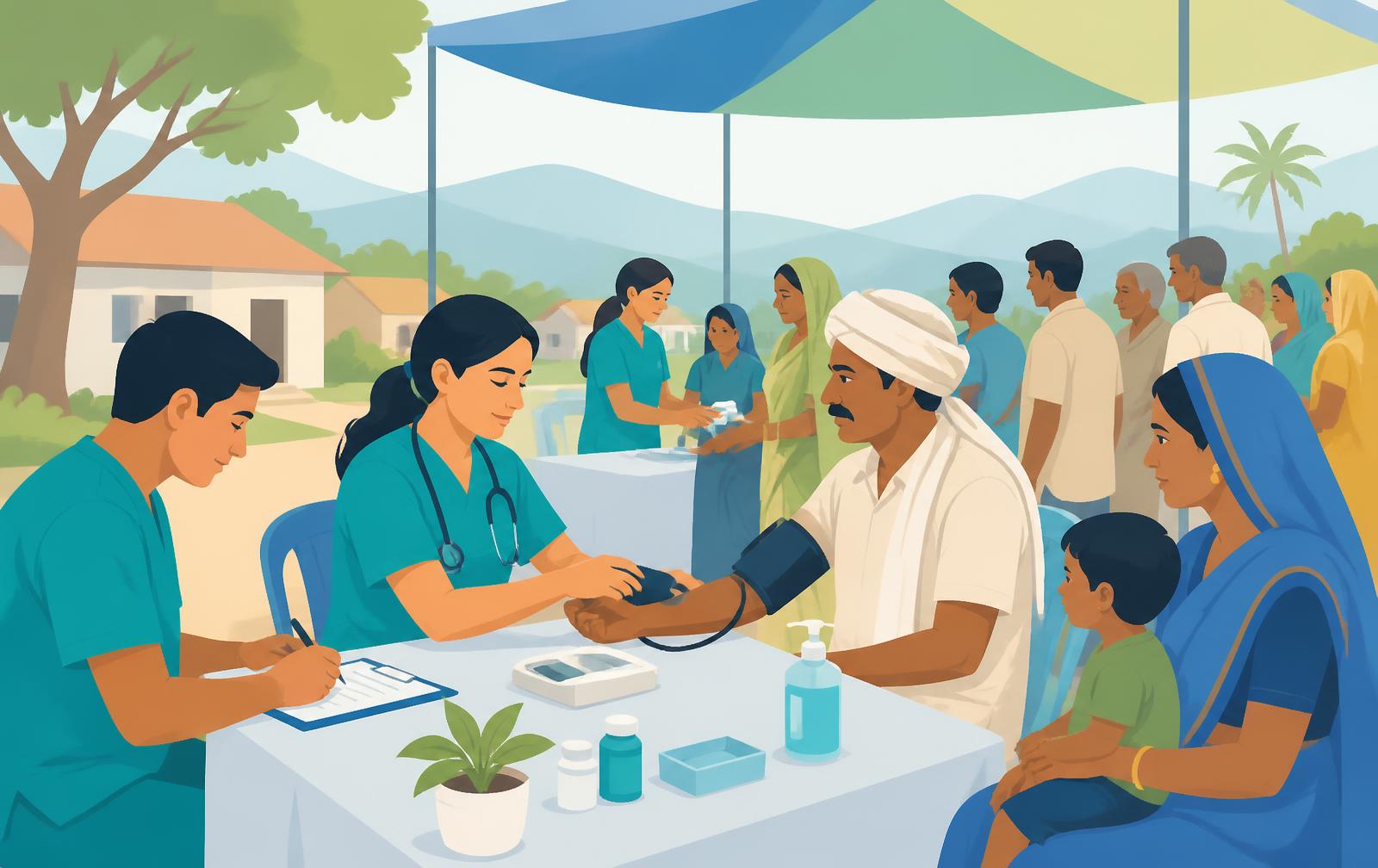
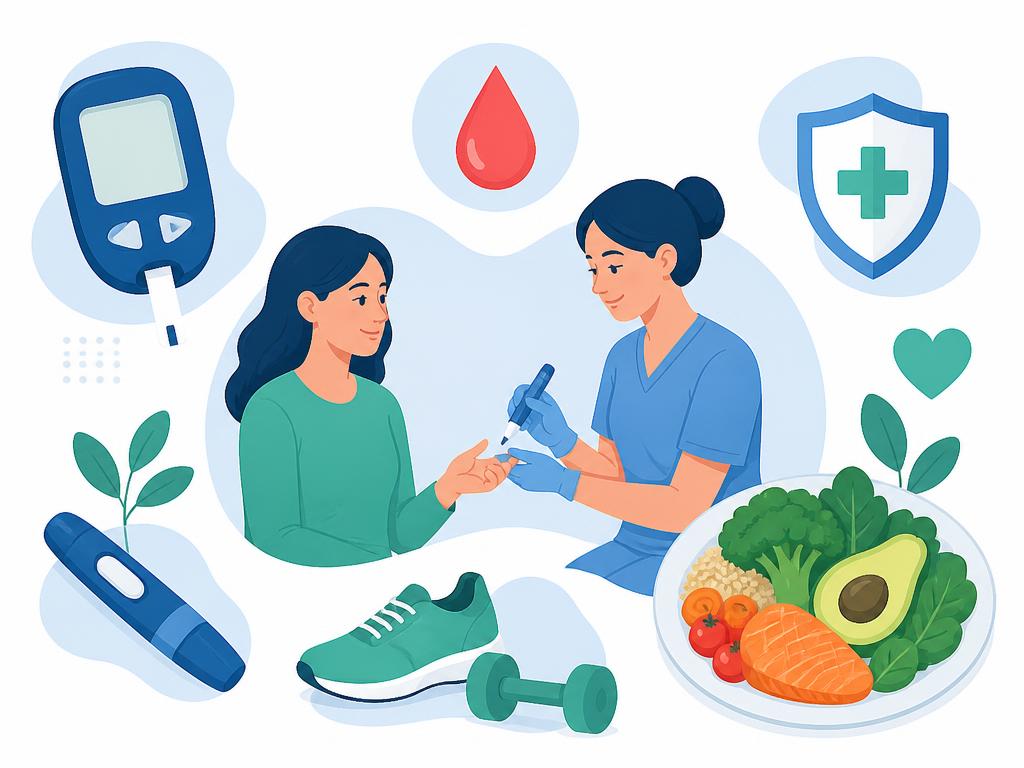
Free blood pressure and sugar screening at the Bachat Gat meeting under the village banyan tree.

Chronic Disease Information Hub

Four conditions we see most often in our villages. Tap any card for details.

Flat illustration of a nurse checking an elderly village man's blood sugar with a glucometer

Diabetes (Sugar)

What is it?

Sugar stays high in the blood because the body cannot use it properly. It builds up slowly over years and often causes no pain at first.

Warning signs

  • Passing urine again and again, especially at night
  • Feeling very thirsty and hungry
  • Wounds on the feet that heal slowly

Simple daily actions

  • Check fasting sugar at the PHC every 6 months
  • Replace tea sugar with a smaller spoon, then stop
  • Walk 30 minutes after the evening meal
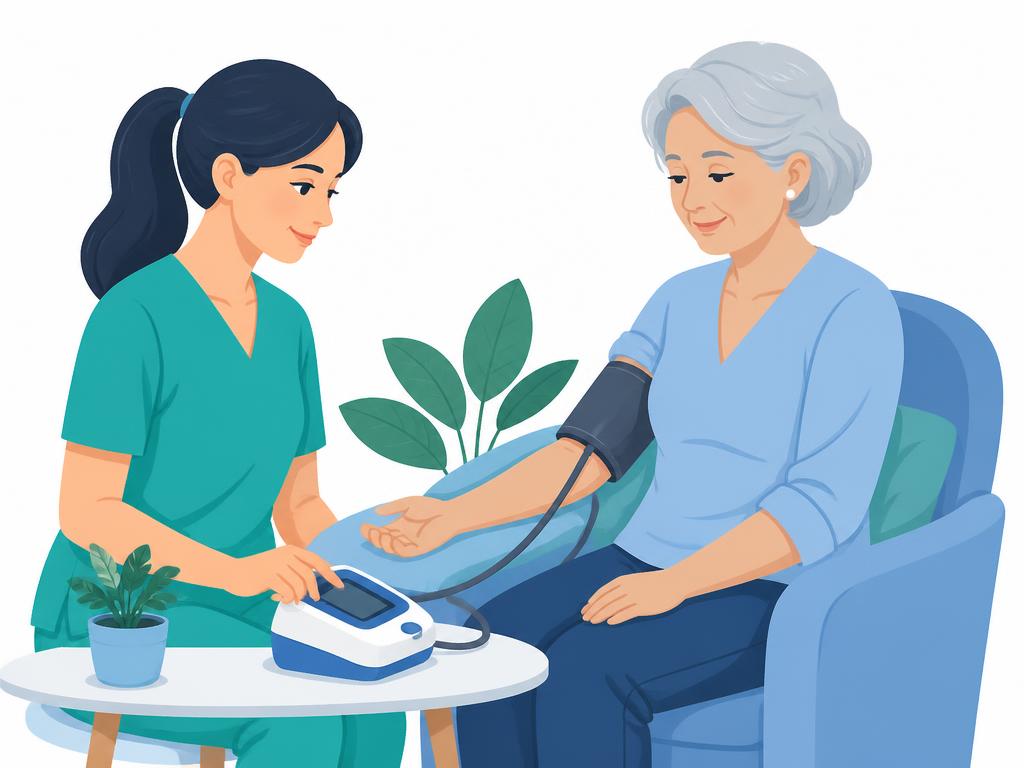
Flat illustration of a health worker measuring an older woman's blood pressure with a real digital monitor

High Blood Pressure

What is it?

Blood pushes too hard against the walls of the blood vessels. It is called the silent illness because most people feel completely normal.

Warning signs

  • Headache at the back of the head in the morning
  • Giddiness or a spinning feeling
  • Chest heaviness or breathlessness on climbing

Simple daily actions

  • Get BP checked free at every Bachat Gat meeting
  • Keep the salt bowl off the dining mat
  • Cut pickle, papad and packet farsan to once a week
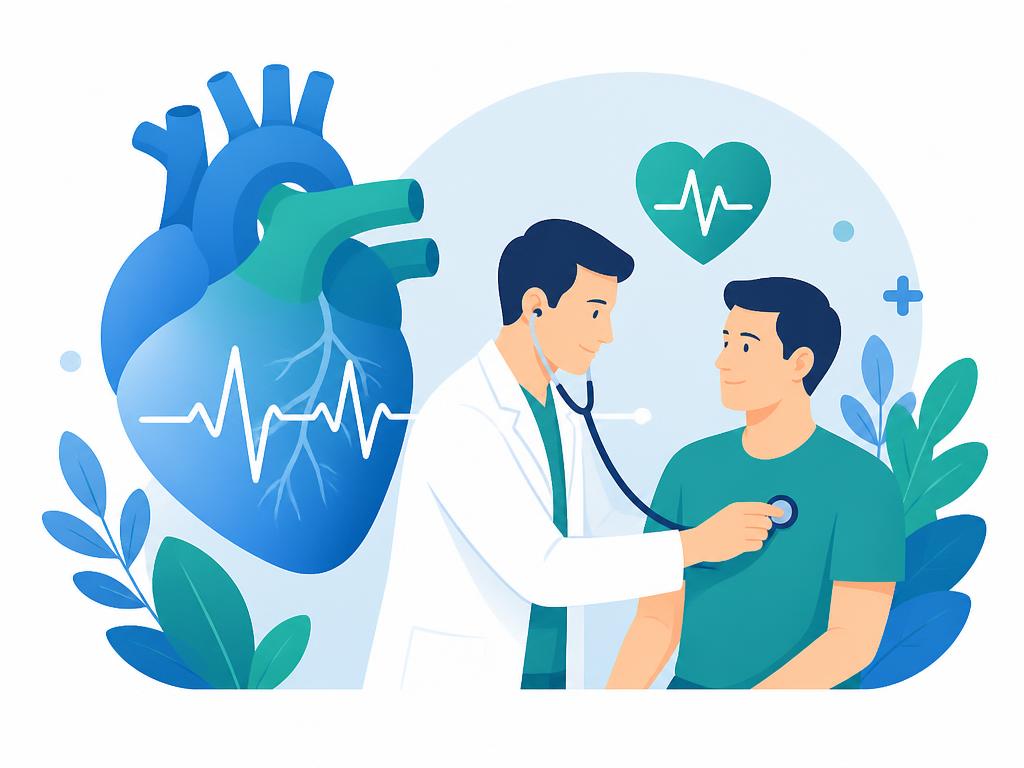
Flat illustration of a doctor listening to a man's heart with a stethoscope at a village health centre

Heart Health

What is it?

Fat slowly blocks the pipes that feed the heart. When a pipe closes, the heart muscle is damaged — this is a heart attack.

Warning signs

  • Heaviness or squeezing in the centre of the chest
  • Pain going to the left arm, jaw or back
  • Cold sweat with vomiting sensation

Simple daily actions

  • Use less oil; never reuse frying oil
  • Eat groundnut, flaxseed and green leafy vegetables
  • Stop tobacco, bidi and alcohol completely
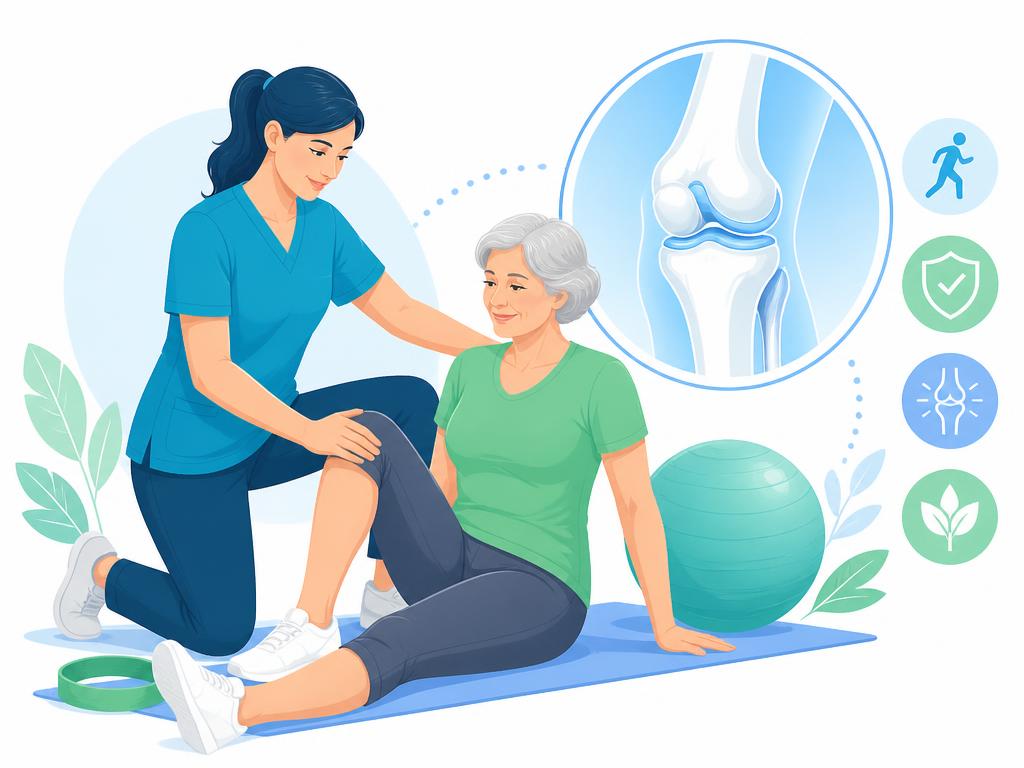
Flat illustration of a physiotherapist examining an elderly woman's knee at her home

Joint & Bone Care

What is it?

Years of squatting, carrying loads and low calcium wear out the knee and back joints, causing pain and stiffness.

Warning signs

  • Knee pain while climbing steps or getting up
  • Stiffness in the morning that eases after moving
  • Cracking sound and swelling in the knee

Simple daily actions

  • Sit on a low stool instead of squatting for kitchen work
  • Drink milk or buttermilk and eat ragi, til and green leaves
  • Sit in the sunlight for 20 minutes daily for vitamin D

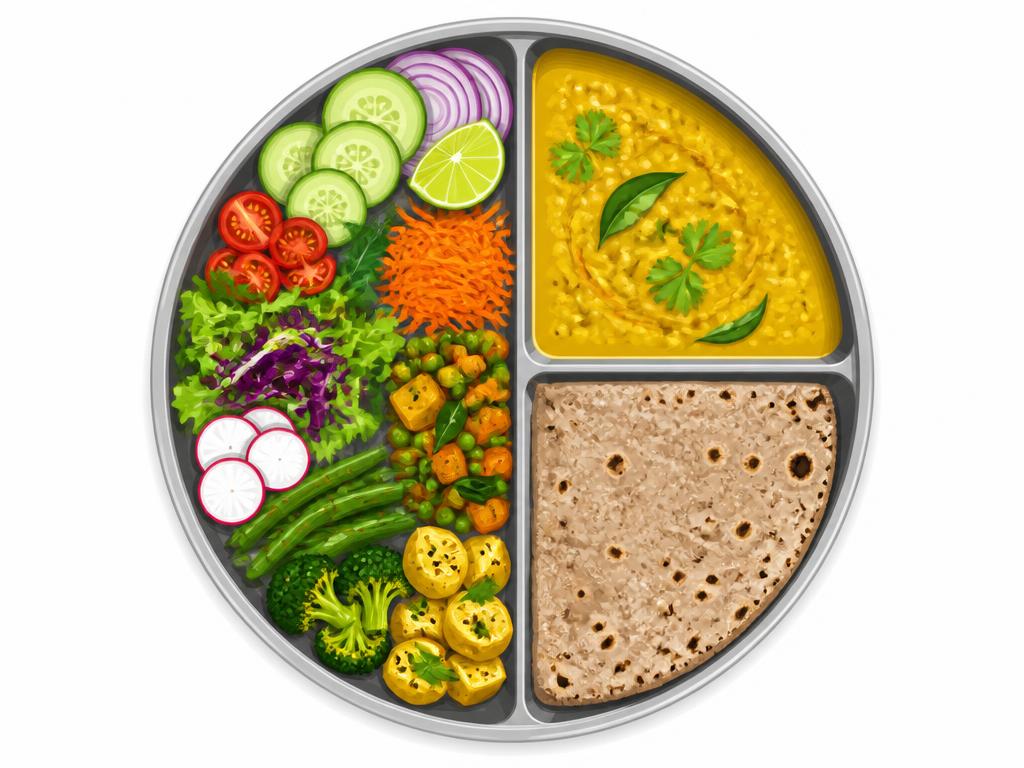
The 50-25-25 Healthy Plate Rule

One simple picture that works for the whole family — no costly food needed.

An illustrated Maharashtrian thali: fill it in these three parts at lunch and dinner.

Local meal tips

  • Serve bhaji first, then bhakri — the plate fills naturally with vegetables.
  • Do not keep the salt bowl on the dining mat; extra salt raises BP.
  • Keep pickle, papad and fried farsan for festival days only.
  • Drink chaas (buttermilk) instead of cold drinks or packaged juice.
  • Roast groundnut or chana for evening hunger instead of biscuits.
  • Cook with 3 small spoons of oil per person per day, and never reuse oil.

Easy swaps

  • Refined wheat poliJowar / bajra bhakri
  • Polished white riceHand-pounded rice or nachni
  • Sugar tea, twice a dayChaas or plain lemon water
  • Papad & pickle dailyKachumber salad with lemon
  • Fried farsanRoasted chana or murmura

Emergency Contacts

Save these numbers in every phone at home. Tap a card to call directly.

Village Primary Health Centre (PHC)

Dr. S. R. Jadhav, Medical Officer

OPD 9 am – 4 pm | Free BP and sugar testing on Tuesdays

02138245110

Local ASHA / Anganwadi Worker

Smt. Mangal Shinde

Home visits, medicine reminders and help with the health card

9822012345

National Emergency Ambulance

Available 24 × 7, free of cost

For chest pain, paralysis, unconsciousness or any accident

108

In a chest pain emergency

Make the person sit and rest, loosen tight clothes, do not give water or food, and call 108 at once. Do not wait for the pain to reduce on its own.

Official Health Resources

Trusted information and government schemes you can check yourself.

National Health Portal, India

Government information on diabetes, blood pressure and healthy living.

Open website

World Health Organization

Global guidance on noncommunicable diseases, diet and physical activity.

Open website

Ayushman Bharat (PM-JAY)

Check eligibility for free hospital treatment up to ₹5 lakh per family per year.

Open website